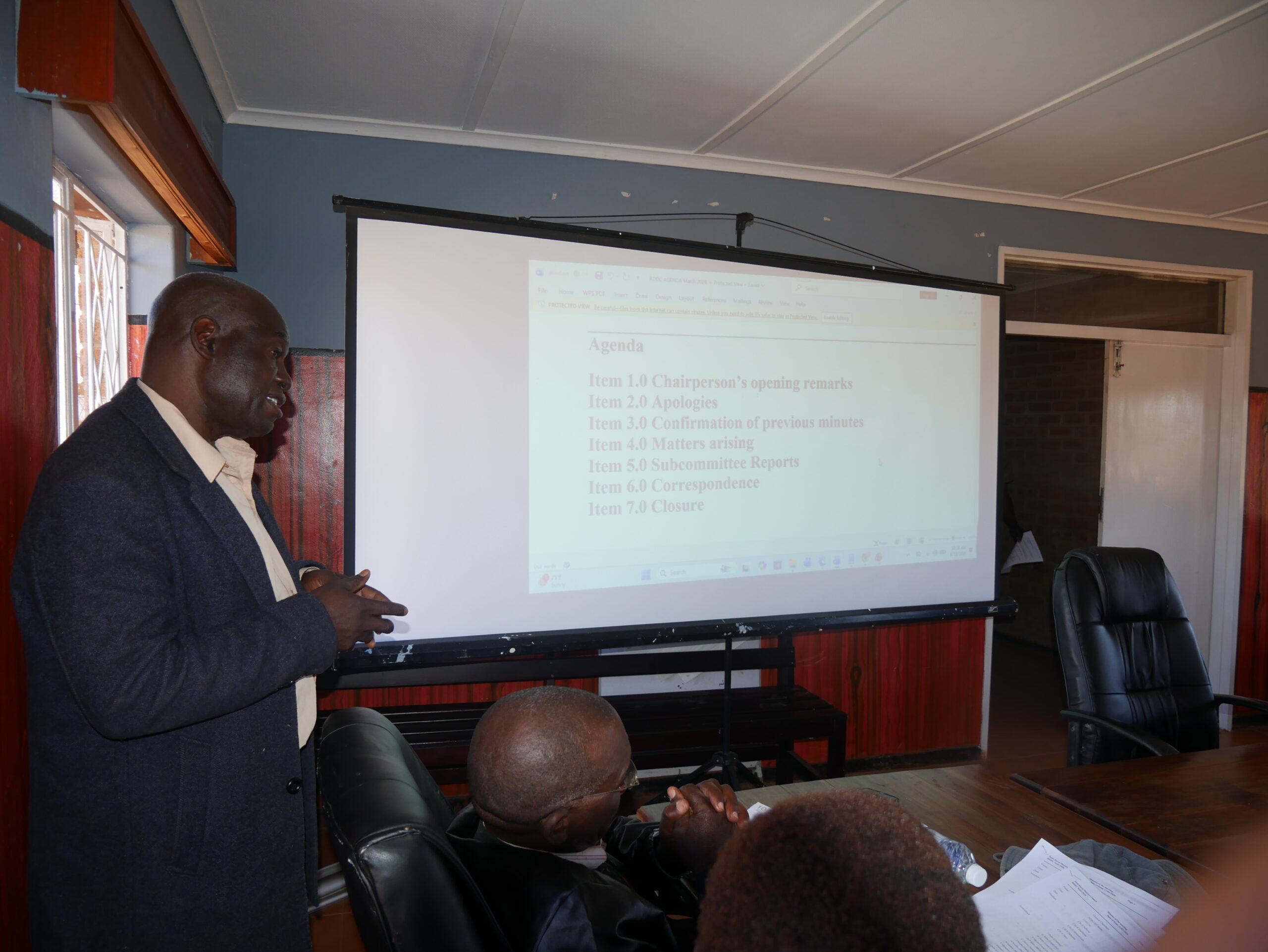

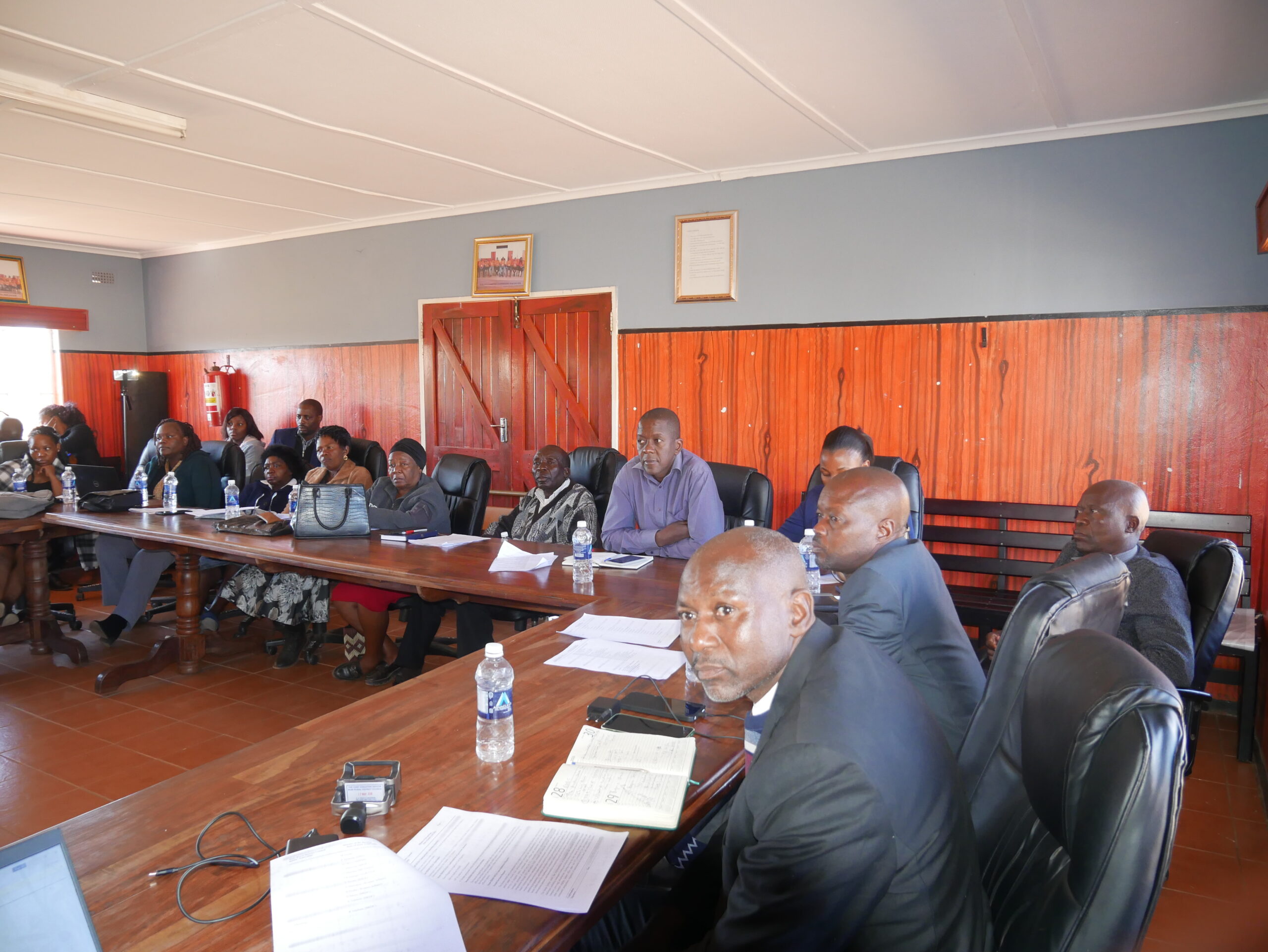
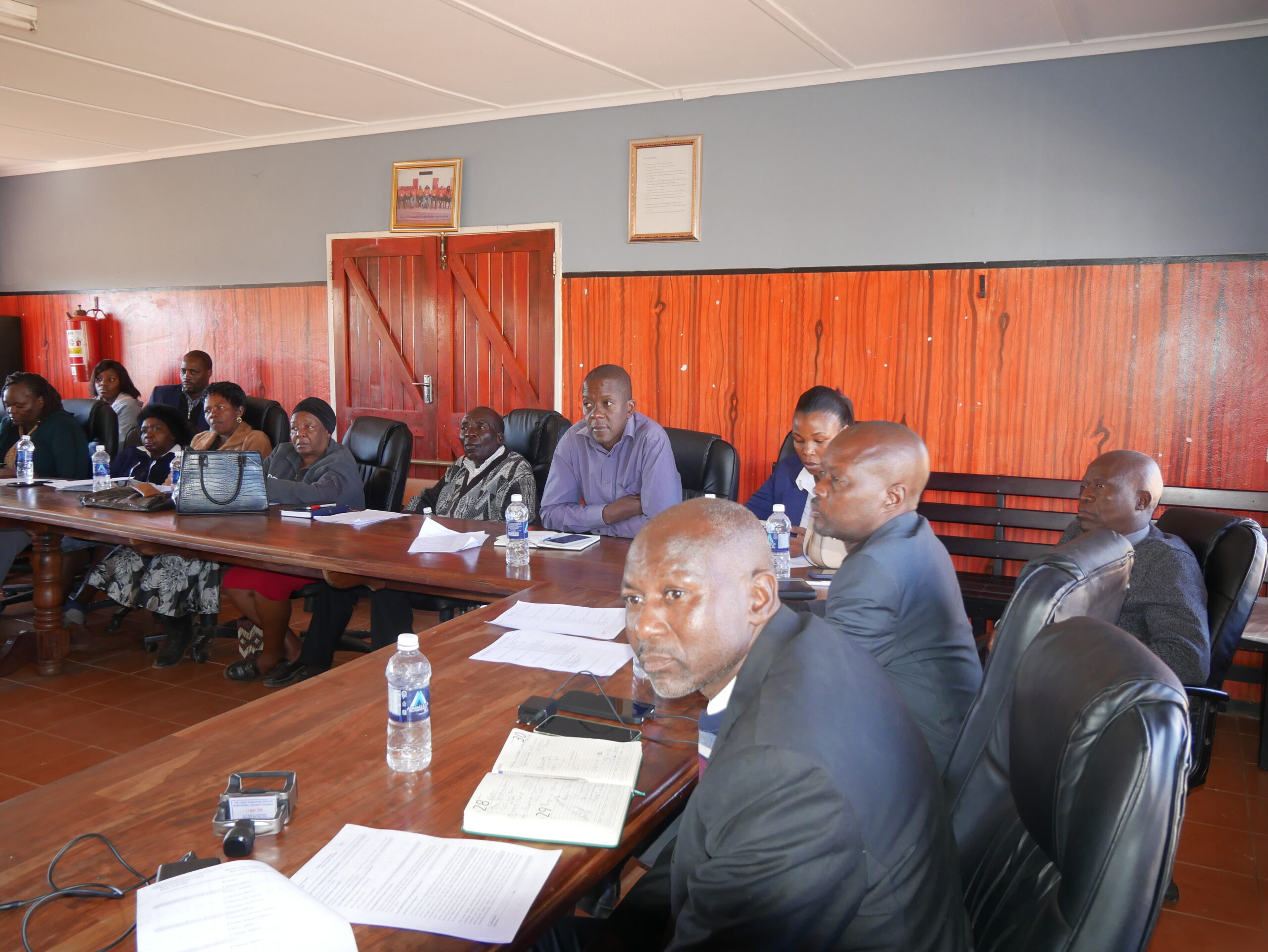
The Rural District Development Committee (RDDC) meeting, held at the Bubi Rural District Council Chambers and chaired by District Development Coordinator Mr. J. Dube, brought together multi-sectoral stakeholders to align development strategies for the district, with a primary technical focus on the presentation by Veterinary Services.
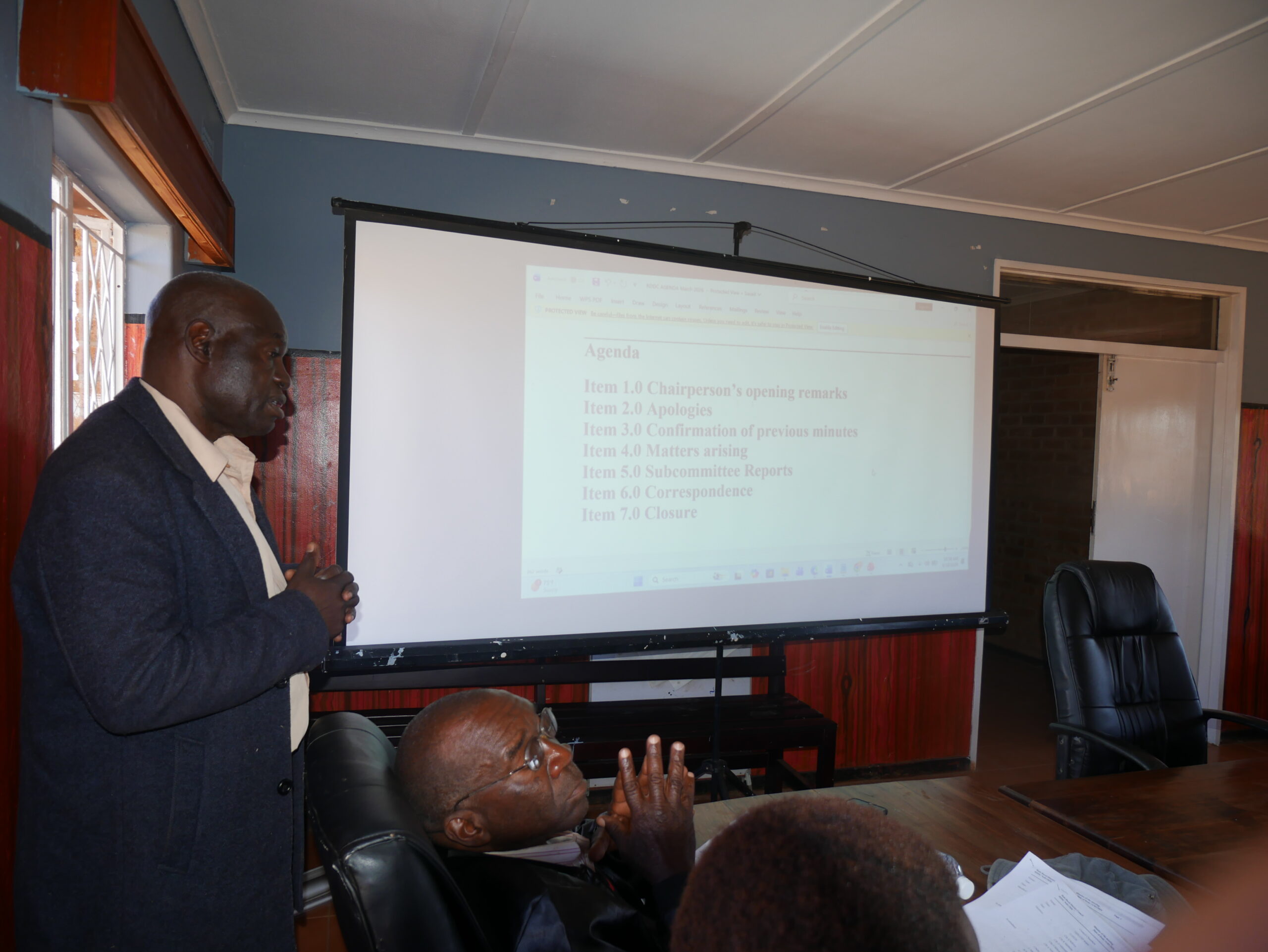
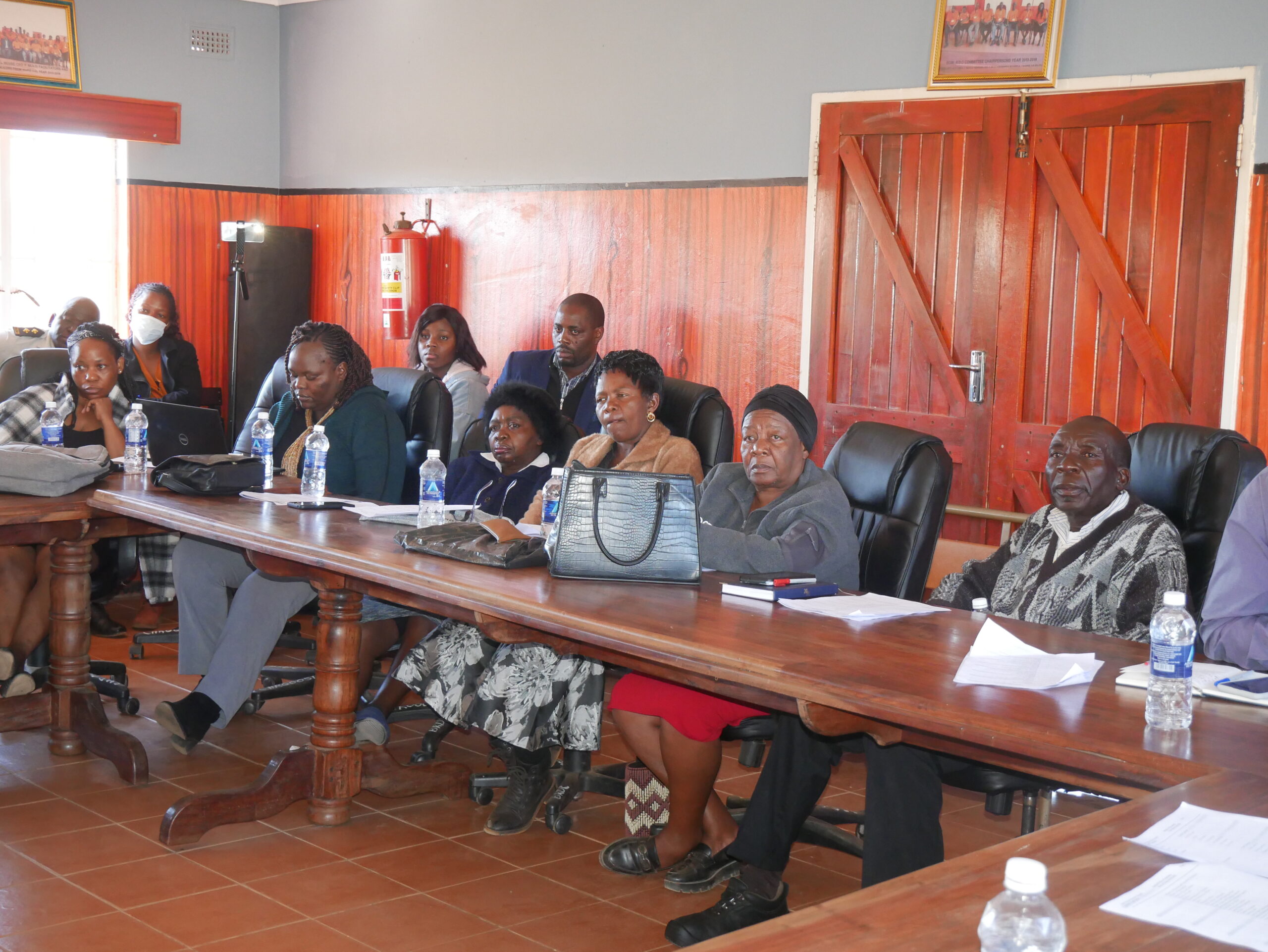
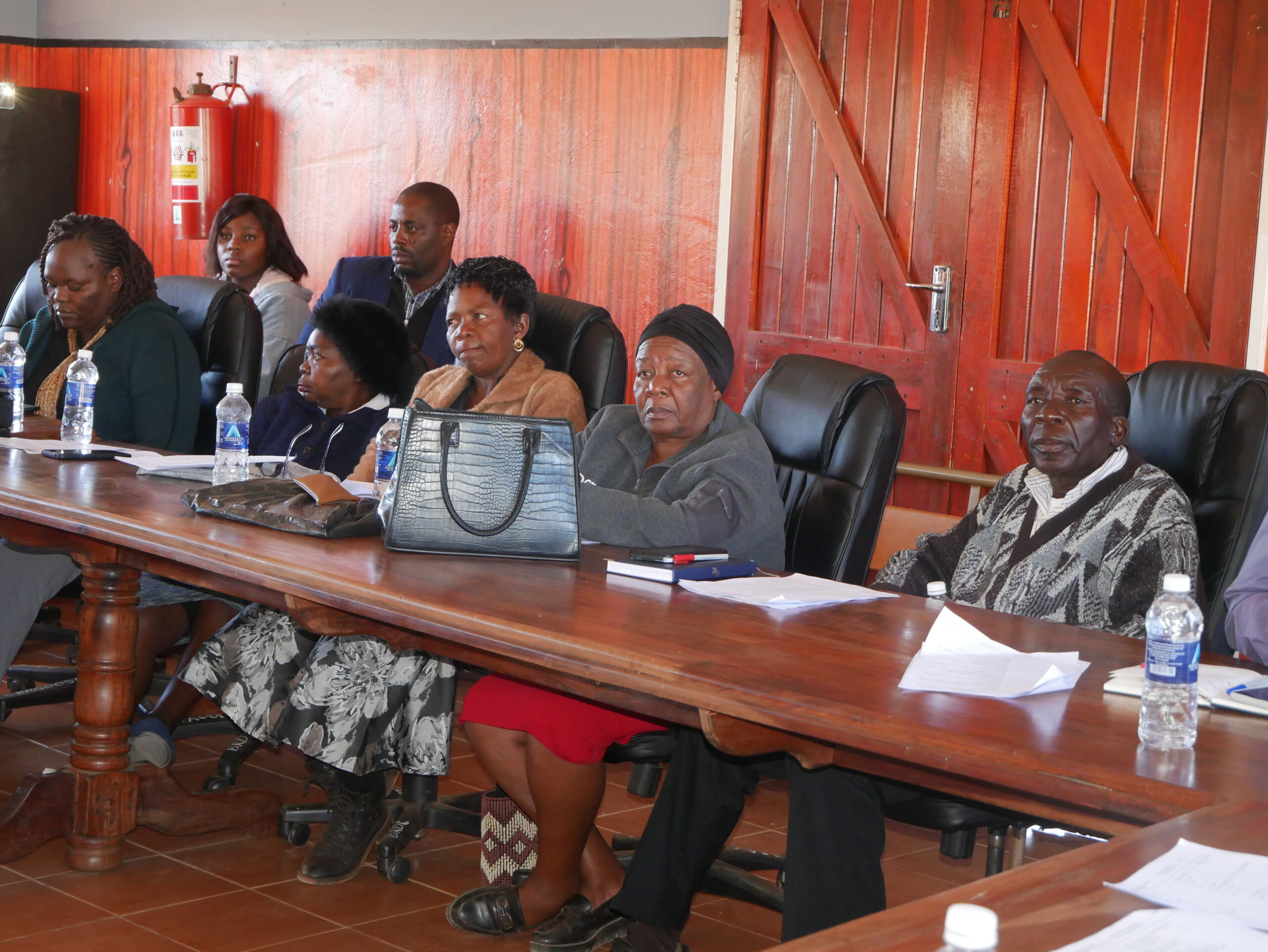
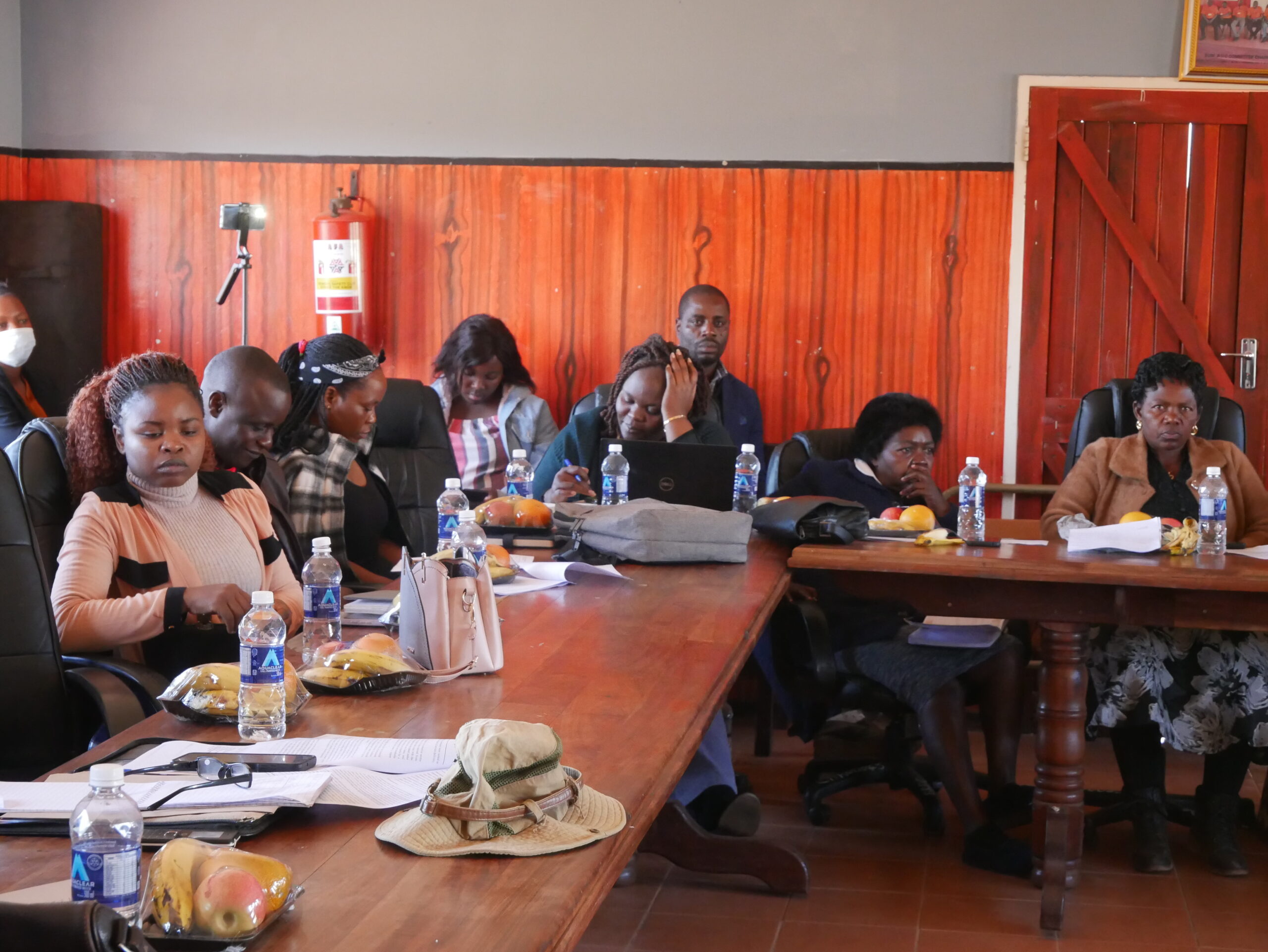
Given that livestock represents the bedrock of Bubi's rural economy, Veterinary Services delivered a critical briefing on intensifying localized disease control measures, specifically targeting the management of tick-borne diseases, expanding cattle vaccination drives, and accelerating the rehabilitation of community dip-tanks. Mr. Dube underscored these interventions as vital for protecting the district's primary economic assets, directing all present agencies to eliminate operational silos and closely coordinate their field logistics with Bubi RDC management to ensure these vital agricultural and livestock preservation programs are successfully executed across all wards.
In addition to the livestock updates, the meeting addressed the critical intersections of food security, social welfare, and natural resource management across the district. The Grain Marketing Board (G.M.B) and the District Social Development Office (DSDO) presented an aligned strategy to secure the area's food supply, outlining the distribution logistics for strategic grain reserves and safety net allocations to vulnerable households. Concurrently, the Forestry Commission raised concerns regarding environmental degradation, calling for stricter enforcement against illegal firewood trafficking and charcoal burning, while pushing for community-led reforestation initiatives to protect the local ecosystem.
To ensure these development goals are met with minimal delay, the chairperson, Mr. J. Dube, concluded the session by issuing a strong directive against inter-agency siloism, which he identified as a major bottleneck to progress. He emphasized that the success of infrastructural, security, and agricultural interventions relies heavily on seamless data sharing and operational coordination between external ministries and the Bubi RDC executive management. All attending stakeholders—including law enforcement, educational authorities, and political leadership—were tasked with synchronizing their field timelines to maximize the impact of public resources across all 23 wards.